← Today's front page
 Instruments & Origins
Thirty points and a copyright notice: the rise and enclosure of the MMSE
The Folsteins and Paul McHugh built a 10-minute bedside cognitive test in 1975. It spread everywhere for free, until its copyright was enforced and clinicians went looking for alternatives.
 How It Works
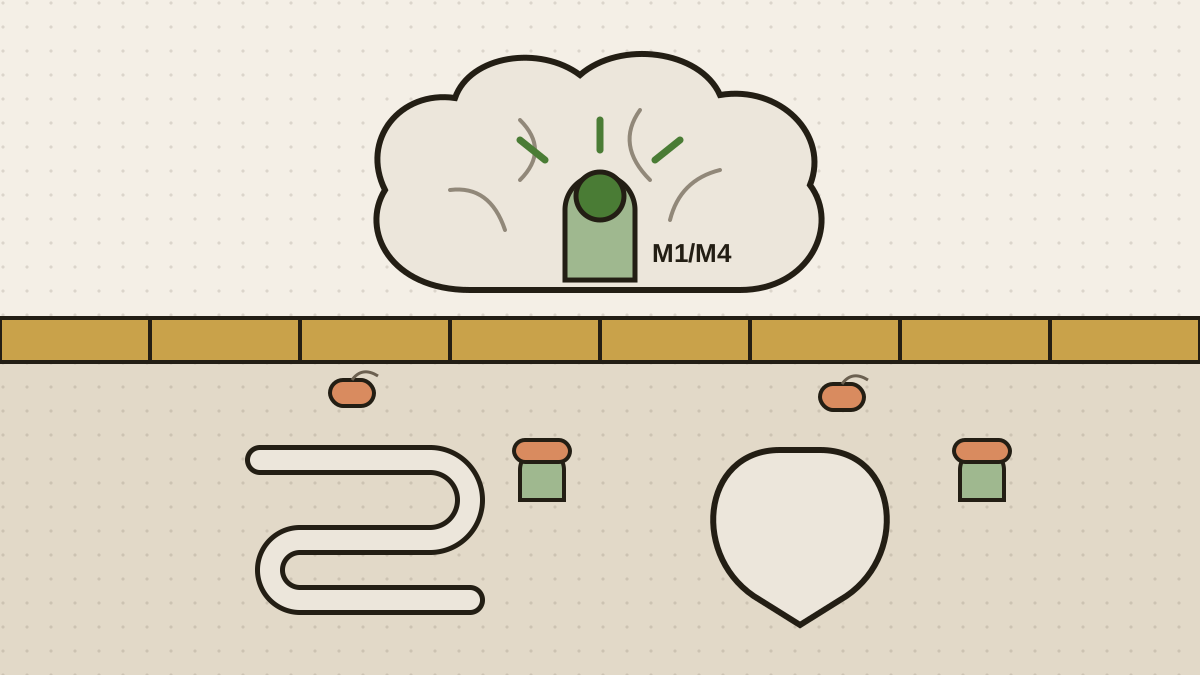
Two years into Cobenfy: how a muscarinic agonist treats psychosis without blocking D2
Xanomeline stimulates M1 and M4 receptors in the brain, and trospium blocks the same receptors in the body. The pairing explains Cobenfy's efficacy, its side effects and some of its limits.
 Capitol & Clinic
Medicaid work requirements start January 1. What they mean for psychiatric patients
CMS's interim final rule narrows the 'medically frail' exemption for mental illness and substance use disorder. Clinician documentation may decide who keeps coverage.
 FDA Watch
Approved but not yet on shelves: the psychiatry decisions still pending this fall
Two summer approvals are waiting on DEA scheduling. A psilocybin application is racing a priority voucher, and the FDA has held its first public hearing on psychedelics. Here is where each stands.
 Minds That Shaped Psychiatry
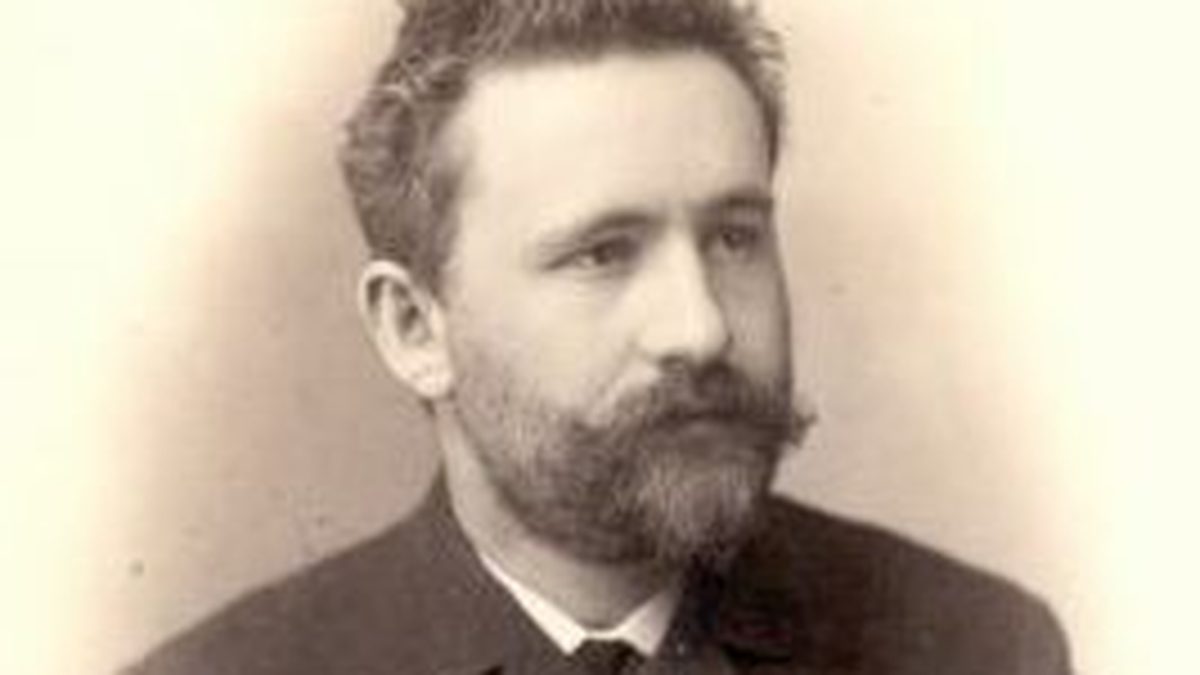
Emil Kraepelin split psychosis in two, and DSM still uses his divide
Kraepelin made long-term course the basis of psychiatric diagnosis and separated dementia praecox from manic-depressive insanity. He also promoted race hygiene, and his institute trained the architect of Nazi sterilization law.
 Instruments & Origins
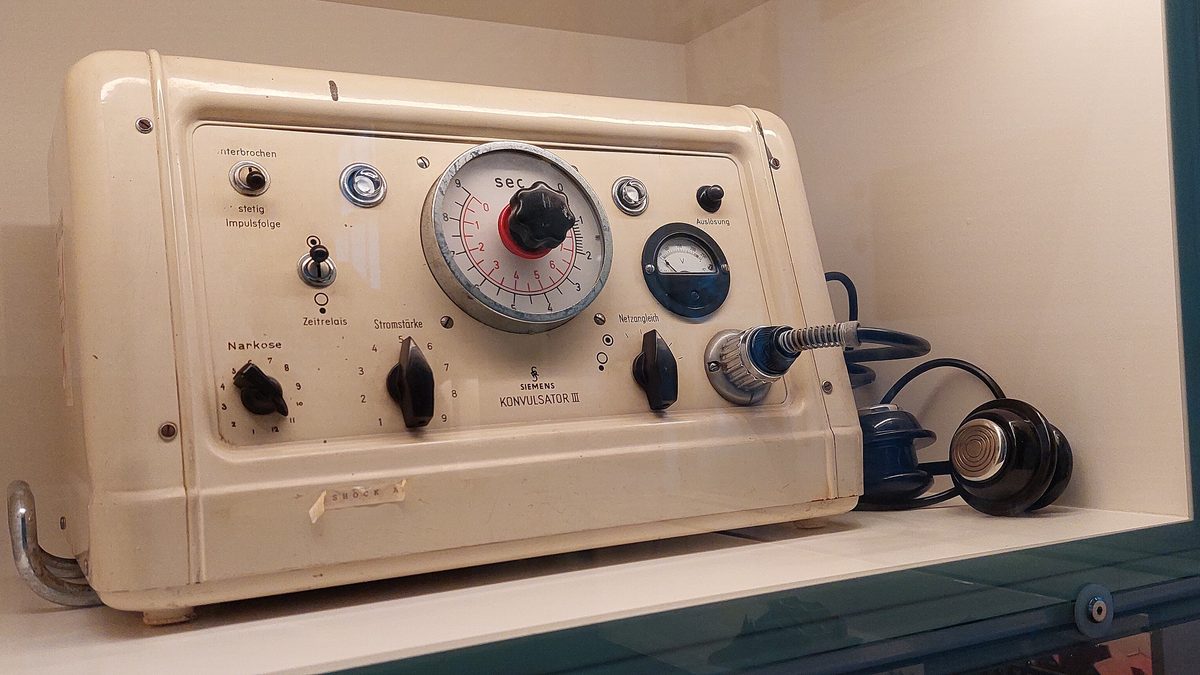
From camphor to anesthesia: the long, contested history of electroconvulsive therapy
ECT began with a wrong theory and a vial of camphor in 1934. Its unmodified decades earned it a fearsome reputation; anesthesia and evidence brought it back.
 How It Works
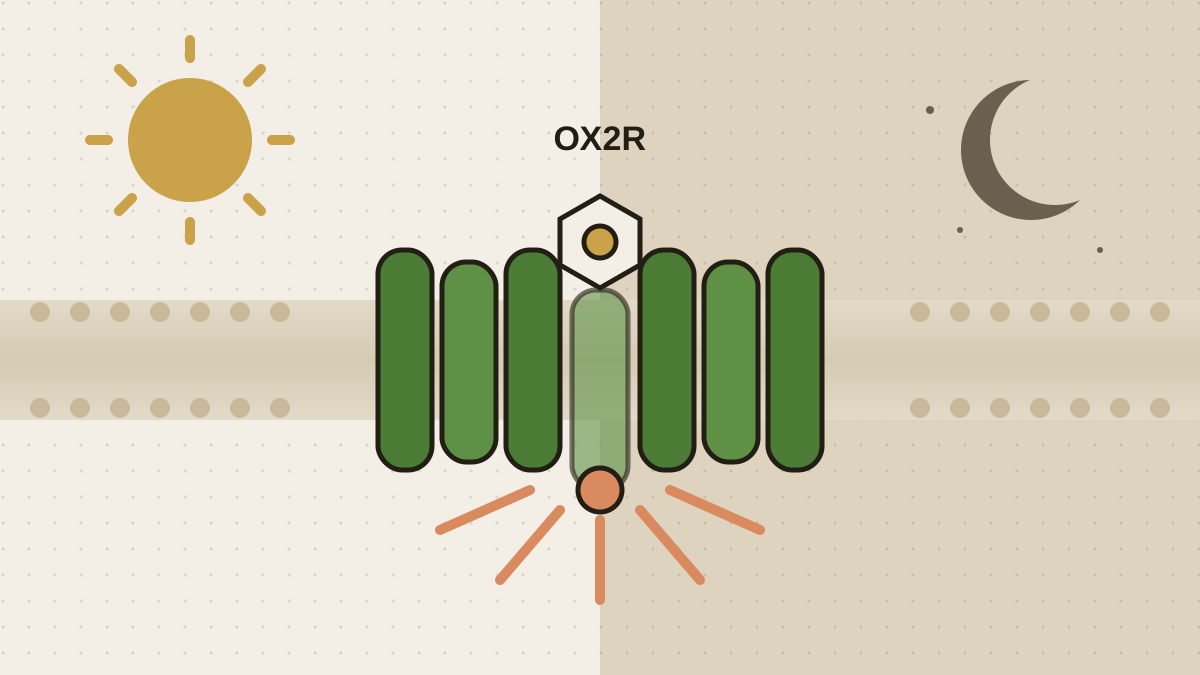
Oveporexton turns the insomnia drugs' target into a wake switch for narcolepsy
Suvorexant and its cousins block orexin receptors to help people sleep. Takeda's oveporexton does the opposite at orexin-2 receptors, replacing a signal that narcolepsy type 1 has destroyed.
 Instruments & Origins
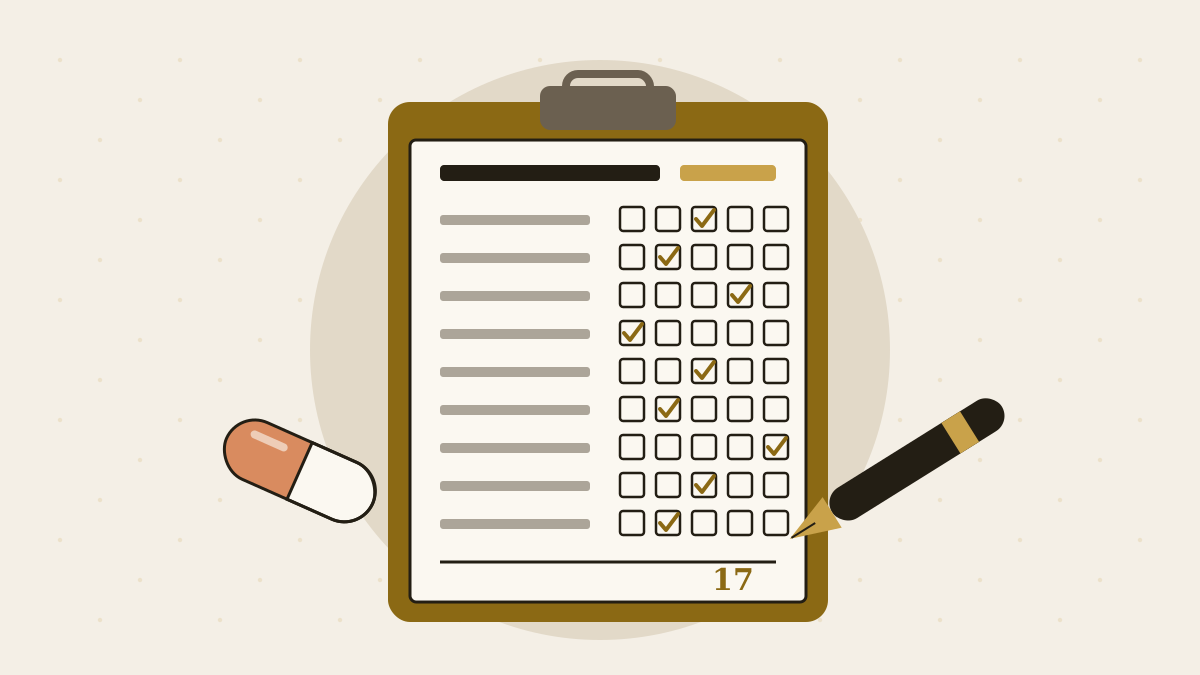
The Hamilton scale at 66: how a Leeds rating sheet became depression's yardstick
Max Hamilton built a 1960 rating scale for a new era of antidepressants. It became the trial standard for half a century, and its flaws shaped what we think depression is.
 Capitol & Clinic
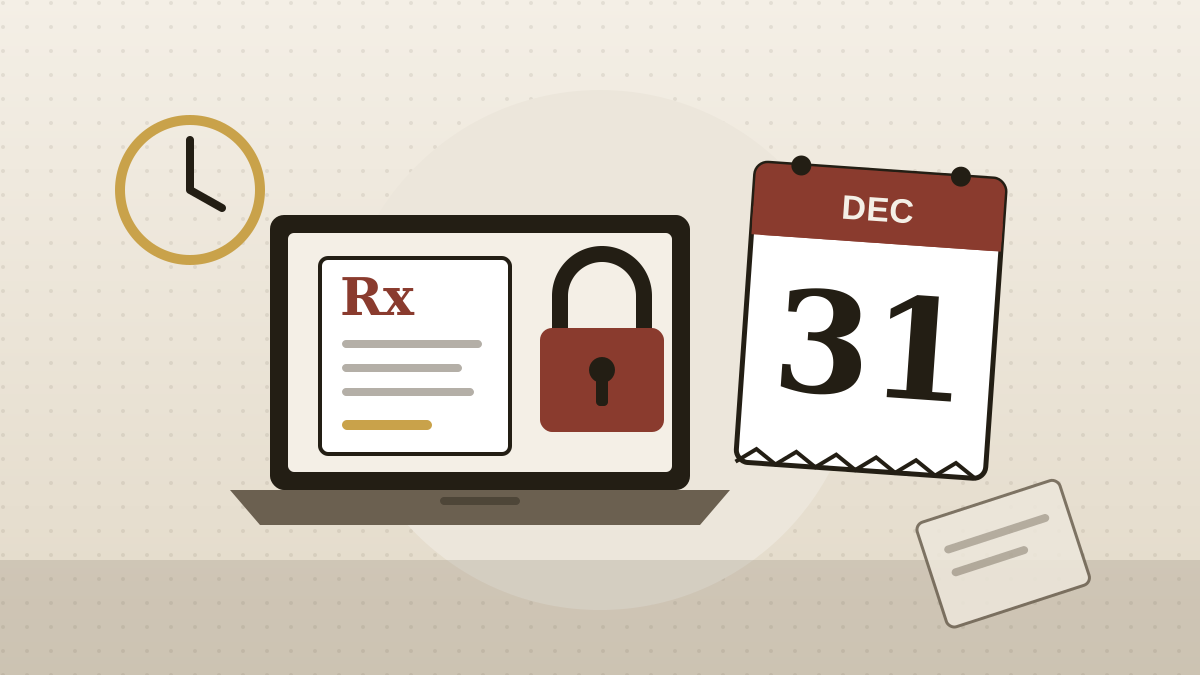
Nine weeks out, DEA's telehealth prescribing cliff has no final rule in sight
The pandemic-era flexibilities for prescribing controlled substances by telemedicine expire December 31. A permanent rule is under White House review, but its text is not public and no fifth extension has been filed.
 Minds That Shaped Psychiatry
John Cade, a repatriation hospital and the lithium paper that nearly vanished
In 1949 an Australian repatriation psychiatrist reported that lithium calmed mania. Toxicity, a patient's death and a US salt-substitute scandal kept the finding on the shelf for two decades.
 How It Works
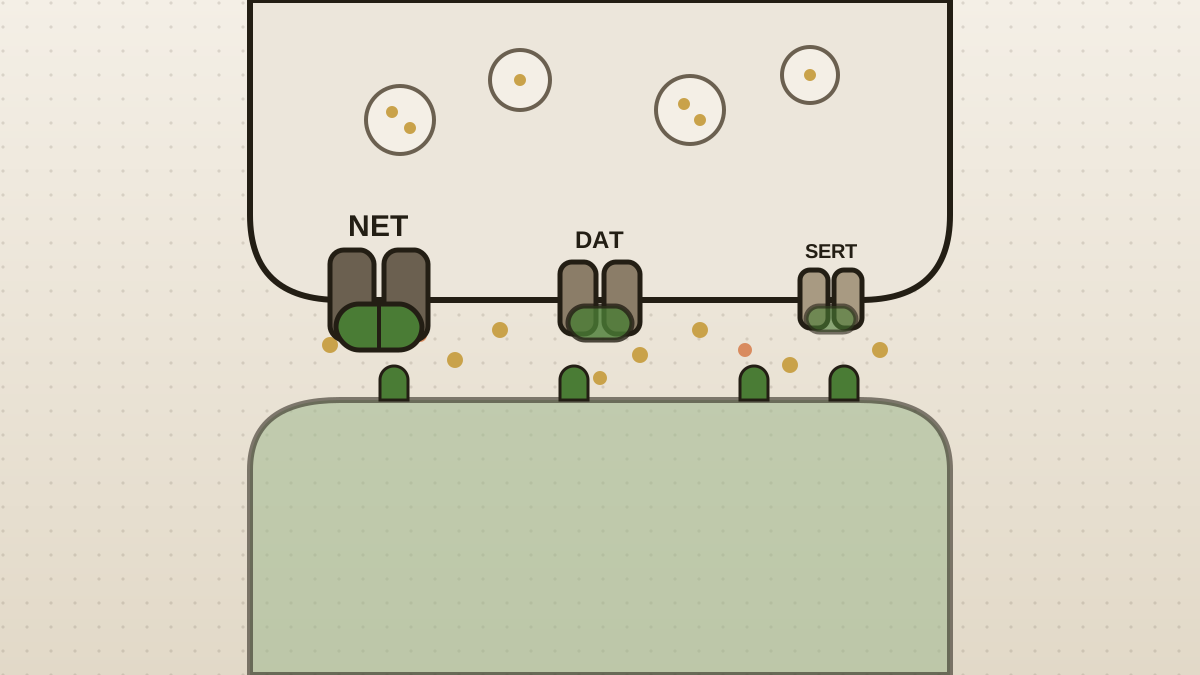
How centanafadine works: a triple reuptake inhibitor tuned toward norepinephrine
Simtriyo blocks norepinephrine, dopamine and serotonin reuptake in a roughly 1:6:14 in vitro ratio. That tilt explains much of what the trials and the label show, from appetite loss to an MAOI contraindication.
 FDA Watch
FDA approves Weltruza, a once-monthly subcutaneous olanzapine with no observation period
Teva's long-acting olanzapine drops the loading dose, oral overlap and three-hour watch that kept Zyprexa Relprevv a niche product. The open question is what the label still cannot rule out.
Newsroom
Every piece we've published, newest first. The front page carries the last seven days; everything older lives here.
Instruments & Origins
Thirty points and a copyright notice: the rise and enclosure of the MMSE
The Folsteins and Paul McHugh built a 10-minute bedside cognitive test in 1975. It spread everywhere for free, until its copyright was enforced and clinicians went looking for alternatives.
How It Works
Two years into Cobenfy: how a muscarinic agonist treats psychosis without blocking D2
Xanomeline stimulates M1 and M4 receptors in the brain, and trospium blocks the same receptors in the body. The pairing explains Cobenfy's efficacy, its side effects and some of its limits.
Capitol & Clinic
Medicaid work requirements start January 1. What they mean for psychiatric patients
CMS's interim final rule narrows the 'medically frail' exemption for mental illness and substance use disorder. Clinician documentation may decide who keeps coverage.
FDA Watch
Approved but not yet on shelves: the psychiatry decisions still pending this fall
Two summer approvals are waiting on DEA scheduling. A psilocybin application is racing a priority voucher, and the FDA has held its first public hearing on psychedelics. Here is where each stands.
Minds That Shaped Psychiatry
Emil Kraepelin split psychosis in two, and DSM still uses his divide
Kraepelin made long-term course the basis of psychiatric diagnosis and separated dementia praecox from manic-depressive insanity. He also promoted race hygiene, and his institute trained the architect of Nazi sterilization law.
Instruments & Origins
From camphor to anesthesia: the long, contested history of electroconvulsive therapy
ECT began with a wrong theory and a vial of camphor in 1934. Its unmodified decades earned it a fearsome reputation; anesthesia and evidence brought it back.
How It Works
Oveporexton turns the insomnia drugs' target into a wake switch for narcolepsy
Suvorexant and its cousins block orexin receptors to help people sleep. Takeda's oveporexton does the opposite at orexin-2 receptors, replacing a signal that narcolepsy type 1 has destroyed.
Instruments & Origins
The Hamilton scale at 66: how a Leeds rating sheet became depression's yardstick
Max Hamilton built a 1960 rating scale for a new era of antidepressants. It became the trial standard for half a century, and its flaws shaped what we think depression is.
Capitol & Clinic
Nine weeks out, DEA's telehealth prescribing cliff has no final rule in sight
The pandemic-era flexibilities for prescribing controlled substances by telemedicine expire December 31. A permanent rule is under White House review, but its text is not public and no fifth extension has been filed.
Minds That Shaped Psychiatry
John Cade, a repatriation hospital and the lithium paper that nearly vanished
In 1949 an Australian repatriation psychiatrist reported that lithium calmed mania. Toxicity, a patient's death and a US salt-substitute scandal kept the finding on the shelf for two decades.
How It Works
How centanafadine works: a triple reuptake inhibitor tuned toward norepinephrine
Simtriyo blocks norepinephrine, dopamine and serotonin reuptake in a roughly 1:6:14 in vitro ratio. That tilt explains much of what the trials and the label show, from appetite loss to an MAOI contraindication.
FDA Watch
FDA approves Weltruza, a once-monthly subcutaneous olanzapine with no observation period
Teva's long-acting olanzapine drops the loading dose, oral overlap and three-hour watch that kept Zyprexa Relprevv a niche product. The open question is what the label still cannot rule out.
Around the Web curated by Nora Quill
Newsletters, podcasts and channels from other people that we think are worth your time. We're not affiliated with any of them.
podcast
Psychopharmacology Institute Podcast
Psychopharmacology Institute
Expert interviews on prescribing decisions (antidepressant combinations, pregnancy, lithium response) from a source that states it takes no pharmaceutical sponsorship.
Psychiatric Times
Psychiatric Times (MJH Life Sciences)
Daily clinical news and commentary plus monthly peer-reviewed Special Reports and pipeline reviews, a quick way to see which new agents are coming.
video
Dr. Tracey Marks
Tracey Marks, MD
A board-certified psychiatrist explains depression, bipolar disorder, ADHD and anxiety in plain language. Good videos to suggest to patients and families.
journal
JAMA Psychiatry Author Interviews
JAMA Network
John Torous interviews authors of new JAMA Psychiatry papers. 2026 episodes covered semaglutide for alcohol use disorder and lithium in dementia.
podcast
Psychiatry & Psychotherapy Podcast
David Puder, MD · freemium
Long-form episodes that pair psychopharmacology with therapy skill, such as postpartum psychosis and mentalization-based treatment, with optional CME quizzes.
blog
Psychiatry at the Margins
Awais Aftab, MD · freemium
Careful essays on the evidence and philosophy behind practice, with recent pieces on deprescribing, antidepressants and suicidality, and what makes good diagnosis.
podcast
The Carlat Psychiatry Podcast
Carlat Publishing (Chris Aiken, MD & Kellie Newsome, PMHNP)
Short, practical episodes from the editors of The Carlat Report covering starting and stopping meds, sex differences in pharmacology and adult ADHD.
blog
The Mental Elf
National Elf Service
Plain-English critical appraisals of new mental health research, posted on weekdays, with no input from sponsors. A quick way to judge a headline trial.
video
Columbia Psychiatry Video Library
Columbia University Department of Psychiatry / NYSPI
Recorded Adult and Child Psychiatry Grand Rounds from Columbia and NYSPI. Academic-level talks you can watch at lunch.
journal
AJP Audio
American Journal of Psychiatry (APA)
A monthly author interview on one AJP paper, after which editor Ned Kalin reviews the rest of the issue. An easy way to keep up with the journal.
podcast
PsychEd: Educational Psychiatry Podcast
University of Toronto psychiatry residents
Residents interview Toronto faculty, with learning objectives and transcripts for each episode. Strong on core topics such as antipsychotic side effects and CYP450.
journal
Mental Health Clinician
American Association of Psychiatric Pharmacists (AAPP)
AAPP's open-access, PubMed-indexed journal. Psychiatric pharmacists write applied psychopharmacology reviews and case reports in it.
podcast
NEI Podcast
Neuroscience Education Institute
Andy Cutler interviews leading researchers on current psychopharmacology, such as GLP-1 agonists in psychiatry, anhedonia, and ADHD with substance use.
Psychiatric News Alert
American Psychiatric Association
A short digest of new clinical and research findings every weekday from the APA's newspaper. A one-minute daily scan of the literature.
video
Psychopharmacology Institute on YouTube
Psychopharmacology Institute
Short lectures grouped by drug class, covering topics such as insomnia pharmacotherapy, treatment-resistant OCD augmentation and antiepileptics in bipolar pregnancy.
journal
The Lancet Psychiatry in conversation with
The Lancet Psychiatry
A monthly talk between editors and authors with a global view. Recent episodes covered cannabis and mental health and psychosis care in low- and middle-income countries.
podcast
Psychiatry Boot Camp
Mark Mullen, MD
Started as a crash course for incoming residents. Experts cover suicide risk, catatonia, schizophrenia and decisional capacity. Full video episodes are also available.
blog
Psych Scene Hub: Psychopharmacology
Psych Scene (Sanil Rege, MD) · freemium
Readable mechanism-of-action guides such as MAOIs, amisulpride and oral antipsychotics, plus deprescribing tips. A paid Hub Pro tier adds PDF downloads.
podcast
PsyDactic
Dr. O'Leary
A psychiatrist explains the neuroscience behind psychopharmacology and neuromodulation, including clozapine beyond the basics. References are posted for each episode.
blog
The Carlat Psychiatry Blog
Carlat Publishing · freemium
Practical posts on prescribing and practice, such as difficult-to-treat depression, deprescribing antipsychotics and billing for therapy. Some content is paywalled.
video
UW Psychiatry Grand Rounds
University of Washington Dept. of Psychiatry & Behavioral Sciences
Weekly grand rounds that are free and open to the public, with an archive of past talks on clinical practice, research and education.
journal
BJPsych Podcasts
Royal College of Psychiatrists
Author interviews from BJPsych, BJPsych Advances and BJPsych International, with transcripts. A UK view on the evidence.
podcast
The Thinking Mind Podcast
Alex Curmi, MD
UK psychiatrists talk about the human side of practice, from GLP-1s and mood to psychotherapy. Useful for the conversations around the prescription.
journal
The Journal of Clinical Psychiatry Podcast
Physicians Postgraduate Press
Interviews with JCP authors and experts, such as Joseph Goldberg on deprescribing and Roger McIntyre on GLP-1s in psychiatry. Transcripts are included.
Rational Psychiatry
Thomas Reilly, MD
A monthly, free newsletter from an Oxford psychiatrist-researcher who takes apart new psychiatric research, with a particular interest in hormones and mental health.
video
BBRF Meet the Scientist Webinars
Brain & Behavior Research Foundation
Free recorded webinars where researchers present new treatment work, such as ketamine plus written exposure therapy for PTSD. Approachable enough to share with patients.
journal
Psychiatric Services From Pages to Practice
Psychiatric Services (APA)
Lisa Dixon and Josh Berezin turn services research, such as measurement-based care and collaborative care, into practical steps for clinics.
journal
The Biological Psychiatry Podcast
Biological Psychiatry journals
Authors walk through new neurobiology papers. One asked whether brain changes in first-episode psychosis come from the illness or from antipsychotics.